


Greenhouse Irrigation Controller Guide: Smart Watering for Greenhouses, Lawns & Farms
Watering by schedule is the most common irrigation mistake: you set a timer, it runs regardless of actual soil conditions, and you end up either overwatering or underwatering without realising it. A greenhouse irrigation controller solves this by reading real data, adjusting to conditions, and watering only when plants actually need it. This guide covers how smart irrigation systems work, the key difference between timer-based and moisture-based watering, and what to look for when choosing an automatic greenhouse watering system for greenhouses, lawns, or farms.

What is a greenhouse irrigation controller?
A greenhouse irrigation controller is a device that manages watering across multiple zones automatically, without manual intervention. It connects to your network via Wi-Fi (or GSM for locations without reliable broadband) and is managed through a smartphone app.
The key distinction is how the controller makes decisions. A basic timer opens valves on a fixed schedule regardless of whether the soil is already wet or bone dry. A smart greenhouse irrigation controller reads sensor data: soil moisture levels, air humidity, temperature, and weather forecasts. It waters when conditions require it, and skips when they do not.
Timer-based vs moisture-based irrigation: the critical difference
This is the most important decision when choosing an automatic greenhouse watering system. Here is what separates the two approaches:
Moisture-based irrigation: A digital soil moisture sensor sits in the root zone and reports actual water content to the controller. The system waters when moisture drops below a set threshold, and holds off when the soil is already sufficiently wet. Plants receive water according to actual need, not according to the calendar.
In a greenhouse with mixed crops and varying humidity, moisture-based control consistently produces better results. Digital sensors using the RS485 protocol deliver accurate readings even over long cable runs and in electrically noisy, humid environments.
Types of irrigation systems: greenhouse, lawn, and farm
Greenhouse irrigation systems
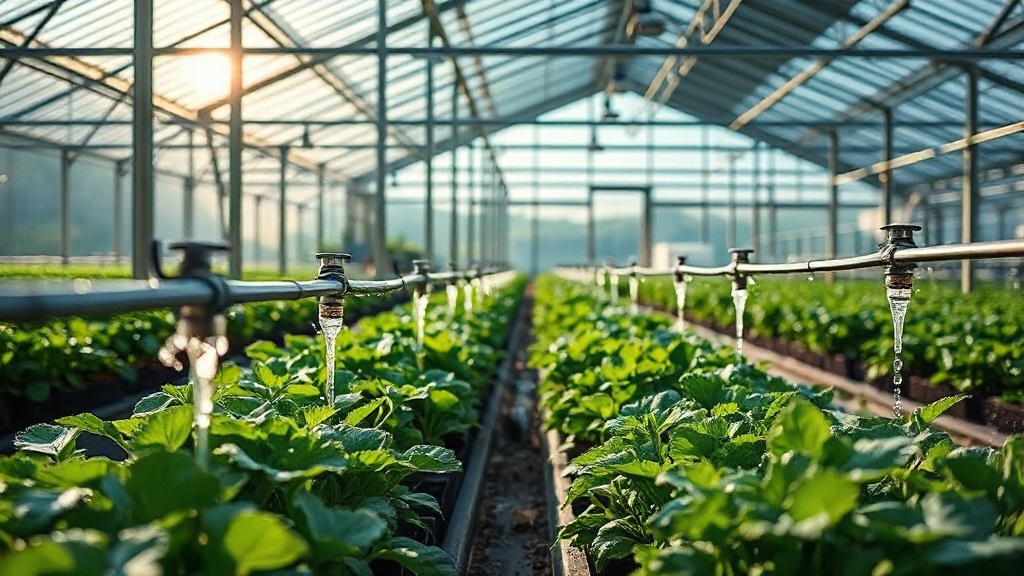
In a greenhouse, drip irrigation is the clear winner. Water is delivered directly to the root zone of each plant, foliage stays dry, and disease risk decreases. Because humidity and temperature inside a greenhouse can shift quickly, having an automatic greenhouse watering system that responds to real conditions rather than a fixed schedule makes a significant difference in plant health.
The GRAAS iRigator is designed specifically for greenhouse drip irrigation. It manages up to 4 independent zones (5 to 30 plants per zone), connects via Wi-Fi, and is controlled through the GRAAS app. The Eco Pro and Dynamic Pro packages include moisture-autonomous watering, integrated air humidity and temperature monitoring, flow sensing, and leakage detection.
Lawn irrigation systems
Lawn irrigation is about even coverage across a larger area. Sprinkler-based systems are standard here, divided into multiple zones for different garden sections. The key factors are zone count, sensor integration, and scheduling flexibility. A good lawn irrigation controller skips watering when rain is forecast and adjusts automatically by season, without reprogramming each month.
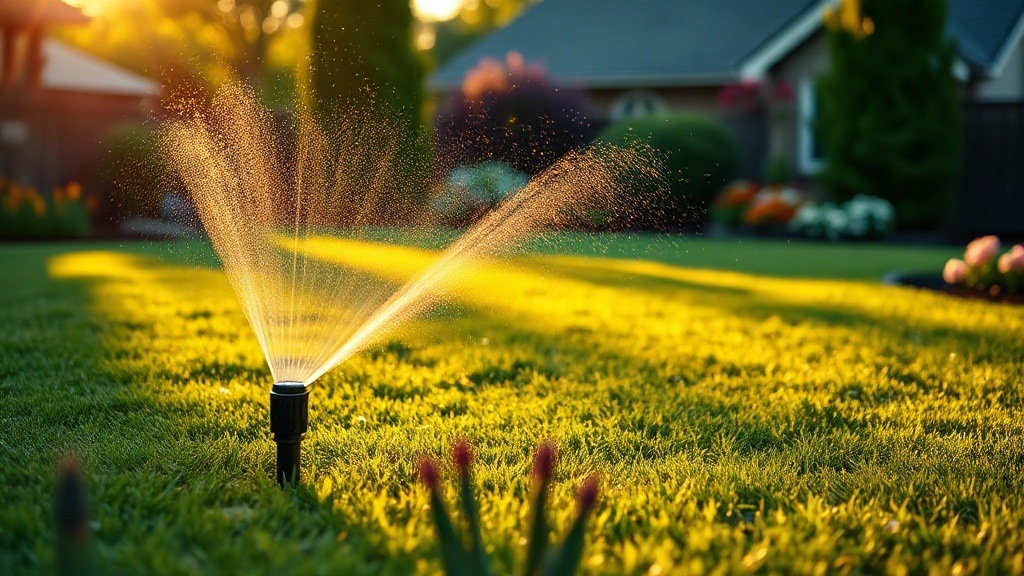
The GRAAS LawnCare supports up to 8 sprinkler zones and is compatible with existing 24VAC valve infrastructure, meaning you typically do not need to replace your current valves. It supports up to 20 sensors: soil moisture, air temperature, precipitation, and more. Installed indoors, connected once, managed via app.
Farm and field irrigation systems
Large-scale agricultural irrigation has different demands: more zones, longer cable runs, and often limited connectivity in rural areas. A farm irrigation system needs to handle dozens or hundreds of zones reliably across a full growing season.
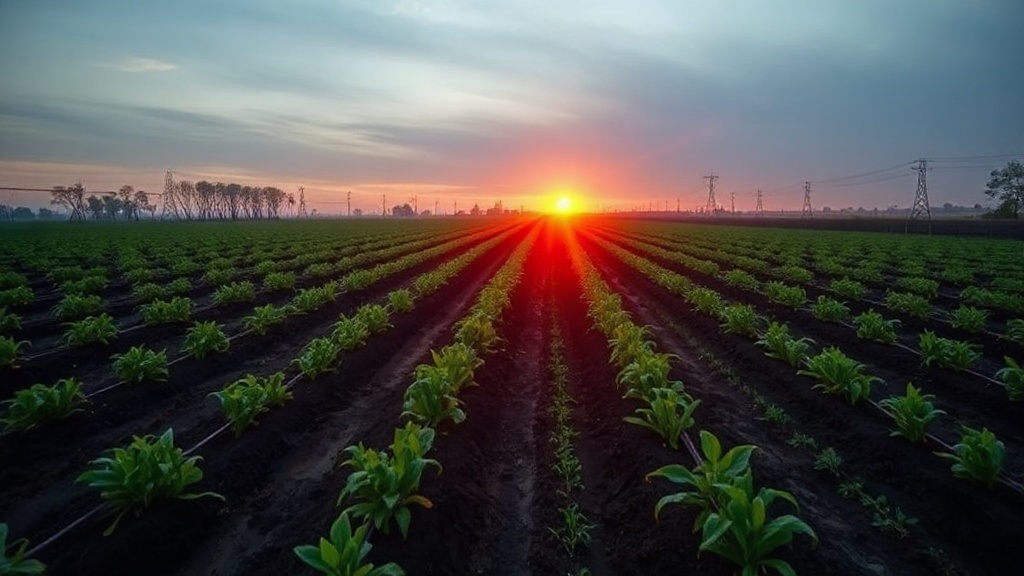
The GRAAS AgroGator is built for commercial operations. It starts at 20 zones and scales to 100, supports up to 700 sensors, and connects via Wi-Fi, GSM, and LoRaWAN (up to 10 km wireless range). It is suited for greenhouses, orchards, and large horticultural operations requiring unattended automatic management.
How does an automatic irrigation controller work?
It controls solenoid valves. Each irrigation zone has a valve that opens or closes to let water through. The controller sends electrical signals to open or close those valves on schedule or in response to sensor readings.
It connects to your network. Via the app, you can adjust schedules, view zone status, and receive alerts from anywhere with a phone signal.
It adapts to real conditions. Systems with soil moisture sensors read actual plant water needs rather than following a calendar. This is where meaningful water savings come from, and where a smart greenhouse irrigation controller earns its cost.
What to look for when choosing a greenhouse irrigation controller
Zone count. Count your zones before buying, and think about future expansion. A controller that cannot grow with your setup will need replacing sooner than expected.
Sensor types. Digital RS485 sensors deliver more accurate and stable readings than analog sensors, especially over longer cable distances. Check whether the system measures soil moisture only, or also air humidity, temperature, flow rate, and leakage.
Connectivity. Wi-Fi is standard for most greenhouses and garden installations. For remote locations, GSM or LoRaWAN connectivity removes the dependency on local broadband.
Moisture-based automation. Confirm that the system can water autonomously based on moisture sensor data, not just on a fixed schedule. This is the difference between a basic timer and a genuine automatic greenhouse watering system.
Software updates. Controllers that receive firmware updates over the air remain current and secure without requiring manual servicing.
Not sure which system fits your setup? All three GRAAS controllers include full specifications and zone counts on their product pages:
iRigator for greenhouses LawnCare for lawns AgroGator for farms
